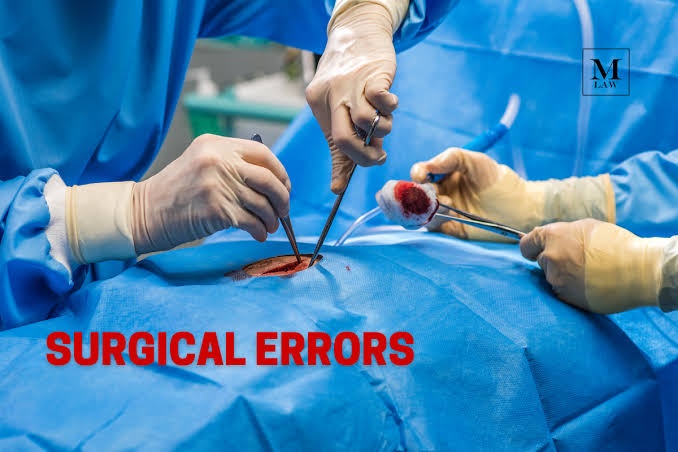
Surgery can be an important part of treating illness, repairing injuries, and improving a patient's quality of life. Modern hospitals use advanced technology, surgical checklists, imaging, and specialized medical teams to improve patient safety. Despite these safeguards, preventable mistakes can still occur.
When an avoidable surgical error causes injury, patients may face additional procedures, prolonged recovery, lost income, and long-term medical needs. Surgery malpractice lawyers can help evaluate whether the circumstances surrounding an injury may support a medical negligence claim.
Importantly, not every surgical complication constitutes malpractice. Surgery involves inherent risks, and complications can occur even when appropriate care is provided. A potential claim generally requires evidence that the applicable standard of care was breached and that the breach caused or contributed to the patient's harm.
Surgical malpractice generally involves negligent care associated with planning, performing, or following up after a surgical procedure.
Potential examples include:
The specific facts surrounding the procedure are critical. A medical expert may need to determine whether the healthcare team acted consistently with accepted professional practices.
Performing an operation on the wrong body part or carrying out a procedure different from the one intended can have serious consequences. Patients may require corrective surgery and additional recovery time.
Surgical procedures sometimes involve operating near sensitive nerves, blood vessels, or organs. Although some injuries are recognized risks, avoidable damage may warrant further investigation.
Surgical teams use instruments, sponges, and other materials during procedures. Failing to account for these items can potentially cause infection, inflammation, pain, or the need for another operation.
A patient's care does not end when surgery is completed. Healthcare professionals must continue monitoring recovery and responding to warning signs. Failure to recognize infection, internal bleeding, or other complications may worsen an injury.
An unsuccessful outcome does not automatically establish negligence. A potential claim may require evidence of several elements.
The investigation may consider whether:
Medical experts can compare the treatment provided with what a reasonably competent professional would have done under similar circumstances.
This distinction is important because patients should not assume that every complication is evidence of negligent treatment.
The consequences of a preventable surgical error can range from temporary complications to permanent disability.
Potential injuries include:
Some patients may require extensive rehabilitation or long-term assistance with daily activities.
Medical records can provide a detailed account of what happened before, during, and after surgery. They can help establish the planned procedure, the patient's condition, and the treatment actually provided.
Relevant documentation may include:
Electronic health records may also establish a chronological timeline of symptoms, treatment decisions, communications, and changes in the patient's condition.
Surgical malpractice cases often involve complex medical questions. Qualified experts may be asked to evaluate whether the treatment met the applicable standard of care.
They may consider:
Expert analysis can help distinguish an unavoidable complication from potentially negligent care.
A serious surgical injury can create expenses that continue long after the original operation.
Depending on applicable law, potential losses may include:
Corrective procedures, hospitalization, medication, physical therapy, rehabilitation, and future medical treatment can create substantial costs.
A patient may be unable to work during recovery. Permanent injuries can also affect future earning capacity.
Patients with significant disabilities may require home assistance, specialized equipment, continuing therapy, or other support.
Depending on the applicable jurisdiction, damages may also address physical pain, emotional distress, disability, and diminished quality of life.
A complete evaluation should consider both immediate losses and reasonably foreseeable future needs.
Technology continues to influence both surgical care and the investigation of potential medical negligence.
Advanced imaging can help healthcare professionals plan procedures and evaluate postoperative complications. Electronic records can document treatment decisions, medication administration, and communications. Robotic-assisted procedures and sophisticated monitoring systems can also provide additional information about what occurred during surgery.
These technologies can create valuable evidence, but they do not independently establish malpractice. Medical professionals must interpret the information within the context of the patient's individual circumstances.
Patients should prioritize appropriate medical treatment following an unexpected complication. If negligent care is suspected, preserving relevant evidence may also be helpful.
Consider these steps:
Medical malpractice laws and filing deadlines vary by jurisdiction. Early evaluation may help preserve important evidence and clarify which legal requirements apply.
A detailed investigation may reconstruct the patient's medical treatment from the initial consultation through postoperative recovery.
Medical experts may review the records and determine:
When injuries are permanent, economic and life-care professionals may also assess future medical costs, lost earning capacity, and long-term care requirements.
When researching surgery malpractice lawyers, patients should consider attorneys with experience handling medical negligence cases involving surgical procedures. Because these cases often depend on expert medical evidence, experience working with qualified medical professionals can also be important.
Potential questions to ask include:
A careful evaluation can help determine whether the available evidence supports a potential claim.
Surgical errors can have consequences that extend well beyond the operating room. Patients may require corrective procedures, rehabilitation, additional medical care, and time away from work. In serious cases, an injury can permanently affect independence and quality of life.
At the same time, an unexpected surgical outcome does not automatically mean malpractice occurred. Determining whether negligence exists requires careful examination of the medical records, applicable professional standards, causation, and resulting damages.
For patients who believe preventable surgical negligence caused serious harm, surgery malpractice lawyers can help investigate the circumstances and explain potential legal options.

This post has been authored and published by one of our premium contributors, who are experts in their fields. They bring high-quality, well-researched content that adds significant value to our platform.












HD Hub Movies is your trusted source for movie news, entertainment updates, streaming guides, celebrity stories, and informative content.