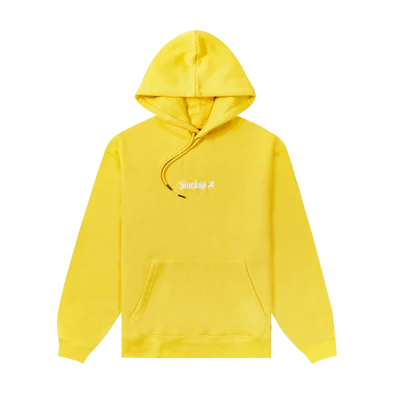
Finding clothing that matches your personal style is about understanding what makes you feel comfortable, confident, and authentic. Fashion trends change regularly, but personal style helps you create a wardrobe that reflects your personality and suits your everyday lifestyle. Some people prefer simple outfits with neutral colors, while others enjoy bold graphics, oversized silhouettes, and expressive streetwear. There is no single way to dress well because the best clothing choices depend on individual preferences, daily activities, comfort, and personal taste. Instead of buying every item that becomes popular, learning to identify your own style can help you make smarter fashion decisions and build a wardrobe that feels natural.
Modern fashion offers more choices than ever, from classic casualwear to contemporary streetwear and minimalist clothing. This variety makes it easier to experiment with different looks, but it can also make shopping confusing when you are unsure what suits you. Exploring brands such as sinclair clothing can be one way to discover contemporary casualwear options and identify pieces that fit your preferences. By paying attention to colors, clothing fits, fabric quality, and outfit combinations, you can gradually develop a personal style that looks consistent without feeling repetitive. The goal is not to follow strict fashion rules but to create a collection of clothes that works for you.
Your personal style should reflect the way you live, not just the outfits you see online. Before shopping for new clothing, consider the activities that fill most of your week. Someone who spends a lot of time studying, working from home, or meeting friends may need comfortable everyday basics, while someone who attends formal events regularly might require more structured clothing. Understanding these needs helps you choose items that serve a real purpose instead of filling your wardrobe with pieces that rarely get worn.
Comfort should also play an important role in your decisions. Clothing that restricts movement or feels uncomfortable may not suit your everyday routine, even if it looks fashionable. If you enjoy relaxed outfits, T-shirts, hoodies, jeans, and casual sneakers may form the foundation of your wardrobe. If you prefer a cleaner appearance, simple shirts, straight-leg trousers, and minimalist footwear may be more appropriate. You can combine elements from different styles rather than limiting yourself to a single category.
Think about the environments in which you usually wear your clothes, the weather in your area, and how much time you want to spend planning outfits. These practical details can guide your purchases and help you create a wardrobe that is both stylish and useful. When clothing fits your lifestyle, getting dressed becomes easier because most of your items have a clear purpose.
One of the easiest ways to discover your personal style is to observe the outfits that attract your attention. You might prefer minimalist fashion, classic casualwear, athletic clothing, streetwear, or a combination of several aesthetics. Rather than choosing a style because it is trending, pay attention to what you genuinely enjoy wearing. If you repeatedly choose relaxed T-shirts, loose jeans, and sneakers, for example, casual streetwear may be a natural fit for you.
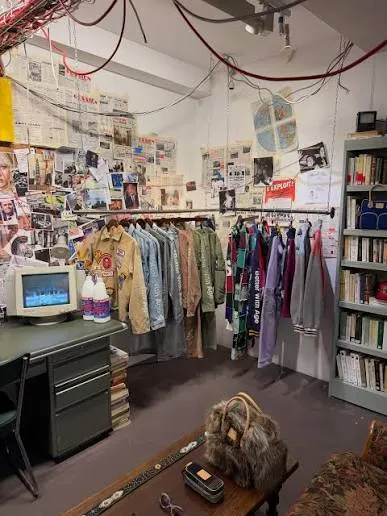
Creating a collection of outfit references can help you recognize patterns in your preferences. Save photographs of clothing combinations that appeal to you and look for similarities between them. You may notice that you prefer neutral colors, oversized tops, simple accessories, or layered outfits. These recurring details can help you understand what makes an outfit feel right for you. You do not need to copy every reference exactly; use the ideas as inspiration for combinations that match your own wardrobe.
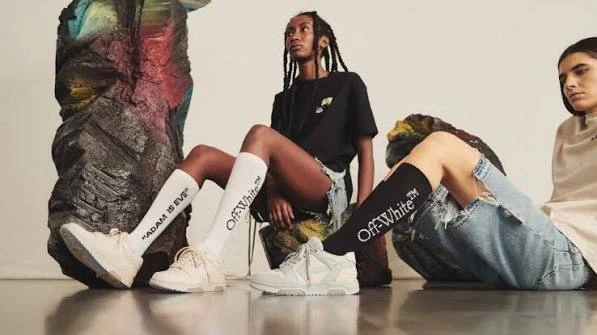
It is also useful to experiment with different styles before making major purchases. Try pairing your existing clothes in new ways, borrowing inspiration from fashion photography, or testing different fits while shopping. Exploring sinclair global and other contemporary clothing options may also help you discover silhouettes and designs that fit your interests. Over time, these small experiments can make your preferences clearer and help you develop a recognizable personal look.
Color coordination is an important part of creating a wardrobe that feels consistent. You do not need to wear the same colors every day, but choosing a few shades that complement one another makes it easier to combine different items. Neutral colors such as black, white, grey, beige, navy, and olive are popular because they work with many other shades. A wardrobe built around these colors can support a wide range of outfits without requiring a large collection of clothes.
Once you have selected a few reliable basics, introduce additional colors that reflect your personality. If you enjoy a subtle appearance, muted greens, earthy browns, and soft blues may suit your preferences. If you like expressive outfits, brighter shades or graphic prints can add character. The important thing is to understand how each new color works with the clothing you already own. A striking item can be useful, but it becomes more practical when you can wear it with several other pieces.
A simple way to coordinate colors is to begin with one main piece and build the outfit around it. For example, a graphic T-shirt can be paired with neutral jeans and sneakers, allowing the shirt to remain the focal point. Similarly, a black hoodie can work with denim, cargo trousers, or casual joggers. When exploring sinclair clothing, consider how a garment's color fits into your existing wardrobe rather than evaluating it in isolation. This approach helps you create more combinations from fewer items.
Fit can completely change the appearance of an outfit. Two people wearing similar clothing may create very different looks depending on the garment's proportions, length, and shape. Some people preferhttps://sinclairclothings.com/ slim or tailored silhouettes, while others feel more comfortable in relaxed and oversized clothing. Neither option is automatically better; the right fit is the one that suits your preferences and allows you to move comfortably.
If you enjoy streetwear, oversized T-shirts, relaxed jeans, and loose hoodies may be appealing. However, oversized clothing should still look intentional. Consider balancing a loose top with more structured trousers or combining relaxed bottoms with a simpler shirt. These contrasts help create visual balance without sacrificing comfort. For a more classic casual style, straight-leg trousers, well-fitting T-shirts, and structured jackets can provide a clean and versatile appearance.
Always check sizing information when buying clothes online because measurements can differ between brands and garment styles. Pay attention to chest width, shoulder seams, sleeve length, body length, and trouser measurements where available. Reading product descriptions and customer feedback can also help you understand how a particular item fits. A carefully selected sinclair hoodie, for example, should match your preferred level of roominess while remaining practical for layering and everyday wear.
A personal wardrobe does not need to contain dozens of items to offer plenty of styling options. In many cases, a smaller collection of versatile clothing makes it easier to dress well because the pieces work together naturally. Basic T-shirts, comfortable jeans, casual trousers, a hoodie, a lightweight jacket, and suitable sneakers can create a strong foundation. You can then add items that express your individual taste, such as graphic shirts, patterned overshirts, or distinctive accessories.
The key is to choose essentials that reflect your preferred style rather than buying a standard list of clothing without considering your needs. If you enjoy streetwear, relaxed T-shirts and hoodies might be more useful than formal shirts. If you prefer a smart casual look, structured trousers and simple outerwear may deserve more attention. Each item should contribute to the way you want to dress and work with several other garments whenever possible.
Before buying something new, consider how you will wear it. Ask yourself whether the item matches your preferred colors, suits your lifestyle, feels comfortable, and can be combined with clothing you already own. This simple process helps reduce impulse purchases and makes your wardrobe more cohesive. Contemporary brands such as sinclair global can be part of your clothing research, but the most important factor is whether individual pieces genuinely meet your style and practical needs.
Accessories can make an outfit feel more personal without requiring a complete change of clothing. Items such as caps, watches, belts, bags, sunglasses, and simple jewelry can introduce distinctive details while keeping the rest of your outfit relatively basic. The best accessories are those that complement your clothing and fit naturally into your everyday routine.
If your style is minimalist, choose accessories with simple shapes and understated colors. A clean watch, a practical bag, or a subtle belt may be enough to complete your look. If you prefer streetwear, a cap, crossbody bag, or statement sneakers can introduce a stronger visual identity. You can also experiment with textures and materials to create interest without relying on bright colors or large logos.
Balance is important when choosing accessories. If your outfit already includes a bold graphic shirt or a brightly colored hoodie, keeping the remaining details simple can prevent the look from becoming too busy. On the other hand, a plain outfit can benefit from one distinctive accessory. Experiment with different combinations and observe which details make you feel most comfortable and confident.
Shopping becomes more effective when you know what your wardrobe needs. Before visiting a store or browsing an online clothing collection, identify the type of item you want and how it will fit into your existing outfits. This prevents you from purchasing clothes simply because they look attractive in a product photograph or appear frequently on social media.
Pay attention to material, stitching, garment construction, care instructions, and sizing information. A good-looking item should also be practical enough for its intended use. For everyday clothing, consider how the fabric feels, whether it suits the local climate, and how easy it is to maintain. Checking these details helps you make more informed choices and understand the value of a garment beyond its appearance.
It is equally important to establish a realistic clothing budget. You do not need expensive designer pieces to develop a strong personal style. Basic items from affordable brands can work well when their fit, color, and quality suit your needs. You can gradually add more distinctive pieces as your preferences become clearer. By focusing on useful purchases, you can build a wardrobe that reflects your personality without spending unnecessarily.
Fashion trends can introduce fresh ideas and encourage you to experiment with clothing you might not otherwise consider. However, not every trend will suit your preferences, lifestyle, or budget. The most useful approach is to treat trends as optional inspiration rather than rules that determine what you should wear.
For example, if oversized hoodies are popular but you prefer a more fitted appearance, you can incorporate a relaxed hoodie into your wardrobe without changing your entire style. Similarly, you might like the colors or accessories associated with a trend while choosing different silhouettes that feel more comfortable. This selective approach allows you to explore modern fashion while maintaining a consistent personal identity.
Social media can provide styling ideas, but remember that online outfits are often photographed under carefully arranged conditions. Clothing may look different in everyday situations, and personal comfort matters more than recreating a photograph perfectly. Use inspiration to discover possibilities, then adapt those ideas to your own clothing, body proportions, daily activities, and preferences.
Developing personal style is not only about purchasing new clothes. It is also about discovering new ways to use the items already in your wardrobe. Try combining familiar pieces in different ways, changing your footwear, adding a jacket, or experimenting with layering. Small adjustments can make an outfit feel new without requiring additional spending.
You can make this process easier by identifying a few outfit combinations that consistently work well. For example, a plain T-shirt, jeans, and sneakers can serve as a reliable everyday combination. A hoodie layered beneath a jacket creates another option, while casual trousers and a clean shirt can provide a slightly more polished look. Keeping these combinations in mind reduces the time spent deciding what to wear.
Review your wardrobe occasionally and identify which pieces you wear most often. These items can reveal your actual preferences more accurately than clothes you purchased because of a temporary trend. If certain garments rarely leave the closet, consider whether their fit, color, comfort, or styling options explain why. Learning from your everyday habits can help you make better decisions when updating your wardrobe.
Finding clothing that matches your personal style takes time, observation, and a willingness to experiment. Start by understanding your lifestyle, identifying the styles you naturally prefer, choosing compatible colors, and finding fits that make you feel comfortable. Build your wardrobe around versatile essentials, then use accessories, layering, and distinctive designs to express your personality. Shopping with a clear purpose and selecting trends carefully can also help you avoid unnecessary purchases.
Most importantly, remember that personal style is not something you have to discover all at once. Your preferences may change as your lifestyle, interests, and experiences develop. The goal is to create a wardrobe that makes everyday dressing easier while allowing you to express yourself confidently. Whether you prefer minimalist casualwear, relaxed streetwear, or a combination of different aesthetics, sinclair clothing, sinclair global, and versatile pieces such as a sinclair hoodie can be explored as part of your search for clothing that suits your individual taste. Choose what feels right for you, focus on versatility, and let your personal style develop naturally.

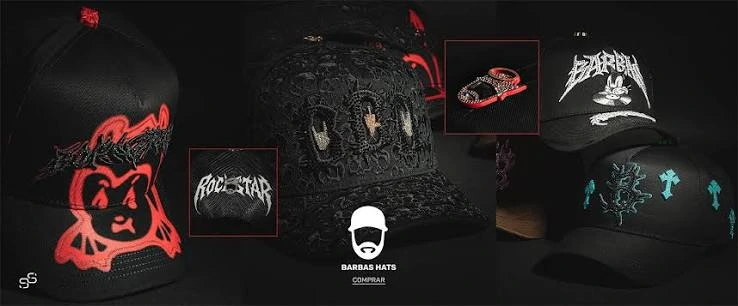
The Barbas Hats team creates fashion-focused content to help readers discover hat styles and build a wardrobe that reflects their taste.



HD Hub Movies is your trusted source for movie news, entertainment updates, streaming guides, celebrity stories, and informative content.
