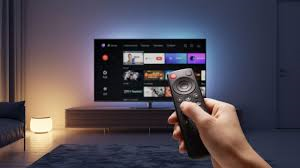
Television has become more flexible, connected, and personalized than ever before. Instead of relying entirely on traditional broadcast schedules, viewers can now access entertainment through internet-connected devices and services designed around the way people actually watch content. IPTV UK is part of this broader transformation, bringing live television, on-demand programming, and digital entertainment together through internet-based delivery.
For households exploring modern IPTV streaming, the appeal often comes down to convenience. Viewers want entertainment that fits around their routines rather than requiring them to organize their schedules around television programming. A well-designed IPTV UK subscription can provide access to different types of content while supporting viewing across compatible smart TVs, streaming devices, computers, tablets, and mobile phones.
IPTV, or Internet Protocol Television, delivers television content through an internet connection rather than traditional terrestrial, satellite, or cable transmission methods. Instead of receiving programming through a conventional broadcast signal, compatible applications and devices communicate with servers over the internet to retrieve video content.
The technology can support several viewing formats, including:
The experience can vary considerably between IPTV providers, because providers may use different technologies, content arrangements, applications, servers, and subscription structures. For this reason, choosing a service involves more than simply comparing the number of channels advertised.
Modern entertainment is increasingly shaped by convenience. People watch television while relaxing after work, following live events, catching up with programmes, watching films with family, or using a second screen while travelling.
IPTV UK fits naturally into these changing habits because internet-based viewing can make television more adaptable. Instead of treating television as a single fixed device in the living room, viewers can increasingly think of it as a connected entertainment experience.
A household might use a smart TV for evening viewing, a streaming device in another room, and a mobile device for occasional access. This flexibility can make internet television particularly relevant to households with different viewing preferences.
Traditional television remains an important part of entertainment, but digital viewing has changed expectations. Viewers have become accustomed to choosing when, where, and how they consume content.
With an appropriate IPTV UK subscription, viewers may be able to organize their entertainment around their own routines. This can be particularly useful for people who do not want television to revolve entirely around fixed broadcast schedules.
Flexibility can involve several elements:
Live channels remain important for news, entertainment, sports, and scheduled programming. Internet-based delivery can provide these channels through compatible applications and connected devices.
On-demand viewing allows users to select available content when they want it rather than waiting for a particular broadcast time.
Modern households often have several internet-connected screens. Depending on the provider's terms and technical setup, IPTV services may support multiple compatible devices.
Some viewers prefer long evening sessions, while others watch short programmes throughout the day. Internet-based services can accommodate these different habits more naturally than a strictly scheduled television model.
Choosing an IPTV UK subscription requires attention to more than price. A low-cost subscription may appear attractive, but the overall viewing experience depends on factors such as reliability, content availability, application quality, customer support, and compatibility.
Before choosing a plan, viewers should consider:
Channel selection: Does the service provide the types of television content that are actually important to the household?
Streaming quality: Are HD or 4K options available where appropriate, and can the service maintain consistent playback?
Device compatibility: Does the service work with the devices already owned?
Reliability: Can the service provide stable access during normal viewing periods?
Support: Is customer assistance available if installation or playback problems occur?
Subscription terms: Are pricing, renewal conditions, cancellation policies, and permitted devices clearly explained?
These considerations can help viewers make a more informed decision instead of selecting a service based solely on a large channel count.
One of the defining characteristics of modern television is the variety of devices used for entertainment. A household may own a Smart TV, Android TV device, Apple TV-style streaming hardware, computer, tablet, or smartphone.
A good IPTV service should clearly explain which platforms it supports and how installation works. Compatibility is particularly important because IPTV applications can differ significantly between operating systems.
A service that works smoothly on one platform may provide a different experience on another. Viewers should therefore check supported devices before purchasing a subscription.
Internet television depends heavily on network conditions. Even a well-designed IPTV platform cannot completely eliminate problems caused by inadequate internet connectivity, network congestion, incompatible hardware, or poor Wi-Fi coverage.
For a smoother IPTV streaming experience, viewers should pay attention to:
Wired Ethernet connections can sometimes provide greater consistency than wireless connections, particularly for televisions and streaming devices that remain in one location.
For households using multiple devices simultaneously, available bandwidth becomes even more important. Someone watching high-resolution television while another person is gaming, downloading large files, or making video calls may experience different performance from someone using the connection for television alone.
Personalization is becoming a central part of digital entertainment. Viewers increasingly expect services to fit individual preferences rather than offering identical experiences to everyone.
IPTV UK contributes to this broader shift by combining television delivery with internet-based technology. The result can be a more adaptable viewing environment in which users interact with content through applications and connected devices.
This does not necessarily mean traditional television disappears. Instead, the modern entertainment environment increasingly combines broadcast television, streaming platforms, on-demand libraries, online video, and internet television.
Smart TVs have helped make internet-based entertainment easier to access. Many modern televisions can connect directly to the internet and run compatible applications without requiring a separate computer.
Streaming devices can also extend the capabilities of older televisions. A suitable device may provide access to applications and online services through an HDMI-connected television.
For IPTV UK viewers, understanding the difference between the service itself and the device used to access it is important. IPTV is the delivery method, while the television, streaming box, mobile phone, or computer is the viewing platform.
The IPTV market includes services with very different approaches to technology, customer support, content rights, and business practices. Viewers should therefore conduct appropriate checks before subscribing.
A provider should clearly communicate:
Viewers should also consider whether a provider is authorized to offer the content it advertises. Legal access to television programming matters, and consumers should avoid services that provide unclear information about content rights.
An impressive channel count alone should not be treated as proof of quality or legitimacy.
Traditional television and IPTV serve similar fundamental purposes: delivering entertainment and information to viewers. The primary difference lies in how the content reaches the audience.
Traditional broadcast models commonly rely on terrestrial, satellite, or cable infrastructure. IPTV uses internet-based transmission.
This distinction can influence the viewing experience in several ways.
| Feature | Traditional TV | IPTV |
|---|---|---|
| Delivery | Broadcast, satellite, or cable | Internet connection |
| Live channels | Yes | Yes, where offered |
| On-demand content | Depends on platform | Commonly supported |
| Device flexibility | Often more limited | Can support multiple connected devices |
| Internet required | Not always | Yes |
| Viewing flexibility | Varies | Often designed around connected viewing |
| Applications | Limited depending on platform | Commonly application-based |
Neither approach automatically provides the same experience for every household. The right option depends on viewing preferences, available infrastructure, content requirements, and technical needs.
Technical problems can occur with any digital entertainment service. Applications may require updates, devices may need configuration, and connectivity problems can affect playback.
For this reason, customer support is an important part of an IPTV UK subscription. Clear setup instructions and responsive assistance can make the difference between a straightforward installation and a frustrating experience.
Before subscribing, viewers can check whether the provider offers documented installation guidance, troubleshooting information, and accessible support channels.
Television is becoming increasingly connected to the wider digital ecosystem. Smart TVs, voice interfaces, mobile devices, cloud-based services, high-resolution displays, and faster internet connections are all influencing how people consume entertainment.
The future of IPTV UK will likely continue to be shaped by these developments. Viewers increasingly expect fast interfaces, convenient navigation, reliable playback, broad device compatibility, and flexible access to content.
Rather than replacing every existing form of television, IPTV can be viewed as one component of a larger transition toward connected entertainment.
The appeal of IPTV UK ultimately comes from the way internet technology can fit television into modern routines. Live programming can remain available alongside on-demand entertainment, while connected devices provide additional ways to watch.
For anyone considering an IPTV UK subscription, the most important step is to evaluate the complete service rather than focusing on one feature. Content availability, reliability, compatibility, streaming quality, customer support, transparent pricing, and legitimate content access all contribute to the overall experience.
As television continues moving beyond traditional broadcast models, IPTV streaming represents an important part of the wider internet television landscape. The combination of connected devices, flexible viewing, and digital delivery gives households more ways to engage with entertainment while adapting television to the realities of everyday life.
IPTV UK refers to internet-based television services designed for viewers in the United Kingdom. Instead of relying exclusively on traditional broadcast infrastructure, IPTV delivers television content through internet-connected devices.
Not necessarily. Depending on the provider, IPTV may work with compatible Smart TVs, streaming devices, computers, smartphones, tablets, or other supported hardware.
Yes. IPTV relies on internet connectivity to deliver video content. The quality of the connection can influence playback performance.
Consider content availability, reliability, device compatibility, streaming quality, customer support, transparent pricing, and legitimate content access before subscribing.
Yes. Many IPTV services offer live television channels, although the specific channels and content available depend on the provider and its rights.
IPTV is a form of internet-based television delivery. The broader term streaming covers many types of online video and audio services, while IPTV specifically relates to television delivered through IP networks.
Some services support multiple compatible devices, but the exact number and simultaneous-use rules depend on the provider's subscription terms.
The modern television experience is no longer limited to a single screen or a fixed broadcasting schedule. IPTV UK demonstrates how internet technology can support a more connected approach to everyday entertainment, combining live television, on-demand programming, and device flexibility.
For viewers considering an IPTV UK subscription, careful research remains essential. Checking compatibility, reliability, available content, streaming quality, support, subscription conditions, and content authorization can help create a more informed viewing experience.
As households continue adopting connected entertainment technologies, IPTV streaming and internet television are becoming increasingly relevant to the changing way people watch, discover, and enjoy television.

This post has been authored and published by one of our premium contributors, who are experts in their fields. They bring high-quality, well-researched content that adds significant value to our platform.












HD Hub Movies is your trusted source for movie news, entertainment updates, streaming guides, celebrity stories, and informative content.