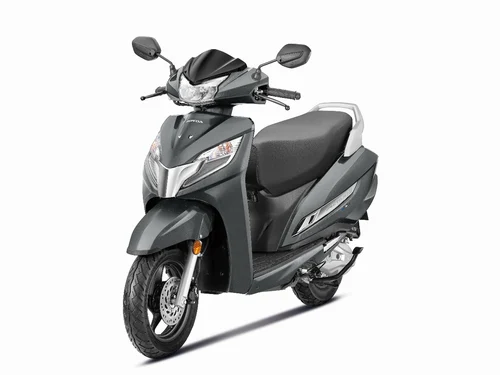
It's 6:15 pm on Bengaluru's Outer Ring Road. Priya has covered 3 km in 25 minutes, her left hand aches from holding the clutch, and the engine fan of the car beside her is blowing hot air onto her legs. She bought her bike for its looks. Six months later, she's wondering whether she chose the wrong machine for the city she actually rides in.
Picking a bike for city traffic in India needs a different checklist from picking one for open roads. Top speed and horsepower barely matter when you're crawling at 15 km/h. Weight, seat height, clutch effort, heat and braking matter far more. Here's how to choose a two-wheeler that makes daily traffic easier rather than more tiring.
Start with the type, because each handles stop-and-go traffic differently.
| Type | Strengths in traffic | Watch out for |
|---|---|---|
| Automatic scooter (110–125cc) | No clutch or gears, low seat, step-through frame, under-seat storage | Smaller wheels feel less stable on potholes; less suited to long highway runs |
| Commuter motorcycle (100–125cc) | Light, upright, fuel-efficient, larger wheels handle broken roads better | Constant clutch work in jams tires the left hand |
| 150–160cc motorcycle | More torque for overtaking and pillion riding, often comes with ABS | Heavier to push and filter; sportier models get hot in traffic |
| Electric scooter | Instant pick-up, no clutch, no engine heat, very low running cost
| Needs reliable charging at home or office; higher upfront price |
If you want to understand these categories in more detail, our guide to the types of bikes in India on Khelo24race walks through each one.
If you spend more time stopped than moving, start with a scooter or a light commuter.
In a jam, you're constantly balancing, stopping and putting your feet down. A lighter bike with a seat you can comfortably reach makes every one of those moments easier.
Here's how kerb weight varies across popular commuters:
| Model | Type | Kerb weight |
|---|---|---|
| Honda Activa 110 | Scooter | 105 kg |
| Hero Splendor Plus | 100cc motorcycle | 112 kg |
| Honda Shine 125 | 125cc motorcycle | 113 kg |
| TVS Raider 125 | 125cc motorcycle | 123–125 kg |
| Yamaha FZ-S Fi V4 | 150cc motorcycle | 136 kg |
| Bajaj Pulsar 150 | 150cc motorcycle | 148 kg |
The gap between the lightest and heaviest here is over 40 kg. You feel it every time you push the bike out of a tight parking spot.
Seat height is the other half. The Activa sits at 764 mm and the Splendor Plus at 785 mm, both easy for most Indian riders. The simple test: sit on the bike in the showroom. Both feet should touch the ground comfortably, or at least the balls of both feet.
You don't need a big engine for city traffic. A 100–125cc engine has more than enough pull to keep up with traffic at 20–50 km/h, which is where most city riding happens. Extra cc pays off mainly on fast ring roads or with a regular pillion.
What matters more is how the bike behaves at crawling speed:
That's why scooters rule metro traffic: no clutch, no gears, just twist and go.
Every bike burns more fuel in traffic than on open roads. Autocar India's testing of the Honda Activa 110 showed about 54.4 kmpl in the city against 66.2 kmpl on the highway (Autocar India). Expect a similar drop on any bike in heavy traffic.
Two features help here:
Heat is the other issue. In May and June, sitting in traffic beside a hot engine is genuinely tiring. Small, upright commuters and scooters usually stay more comfortable than sporty bikes with large engines tucked close to your legs. On the test ride, idle for a few minutes and notice the heat.
City traffic means sudden stops: an auto cutting in, a car door opening. Brakes matter more than speed.
Know the current rules. Single-channel ABS is compulsory only on two-wheelers of 125cc and above. Smaller bikes need a combined braking system (CBS), which applies both brakes together when you press the rear. A proposal to make ABS mandatory on all two-wheelers was still not enforced as of September 2026 (VahanBazaar).
What to look for:
Always wear a proper helmet. No braking system protects you as much as a good, correctly fastened helmet.
Think beyond the test ride.
Ask the dealer for a longer test ride, ideally during evening peak hours. Ride through a busy market road, not just an empty service lane. Stop and start repeatedly, make a tight U-turn, idle for a few minutes, and push the bike a few metres with the engine off. It beats any brochure.
The best bike for city traffic in India is rarely the most powerful or the best-looking one in the showroom. It's the one that feels light, easy and calm when you're stuck at a signal for the fifth time in ten minutes. Start with your daily route, prioritise weight, seat height and clutch feel, and don't compromise on brakes. Get those right, and Priya's evening ride on the Outer Ring Road becomes a lot less painful.
For pure stop-and-go city riding, a scooter is usually easier because there's no clutch or gear shifting. A light commuter motorcycle is better if your route has broken roads, potholes or occasional highway stretches, thanks to its larger wheels.
A 100–125cc engine is enough for most city commutes. It handles 20–50 km/h traffic easily and returns better mileage. Consider 150cc only if you often ride with a pillion, face steep flyovers or use fast ring roads.
Lighter is better. Popular scooters and 100–125cc commuters weigh roughly 105–125 kg, which is easy to manage for most riders. Bikes approaching 150 kg feel noticeably harder to push, park and balance at walking speed.
It isn't legally required below 125cc yet, but it's worth having. ABS helps prevent wheel lock-up during sudden braking, especially on wet or sandy roads. If ABS isn't in your budget, at least choose a front disc brake.
Yes, if you can charge at home or work. They have instant pick-up, no clutch and no engine heat, and they use almost no energy while waiting at signals. The main limits are upfront cost and dependence on charging access.
Yes. Constant idling, braking and accelerating burns more fuel. Autocar India's testing of the Activa 110 showed about 54 kmpl in the city versus 66 kmpl on the highway. Idle start-stop systems help reduce this loss.
Ride in real traffic, not an empty lane. Check clutch weight, low-speed smoothness, braking feel, heat on your legs while idling, and how easily you can push the bike and make a tight U-turn.

This post has been authored and published by one of our premium contributors, who are experts in their fields. They bring high-quality, well-researched content that adds significant value to our platform.










HD Hub Movies is your trusted source for movie news, entertainment updates, streaming guides, celebrity stories, and informative content.