
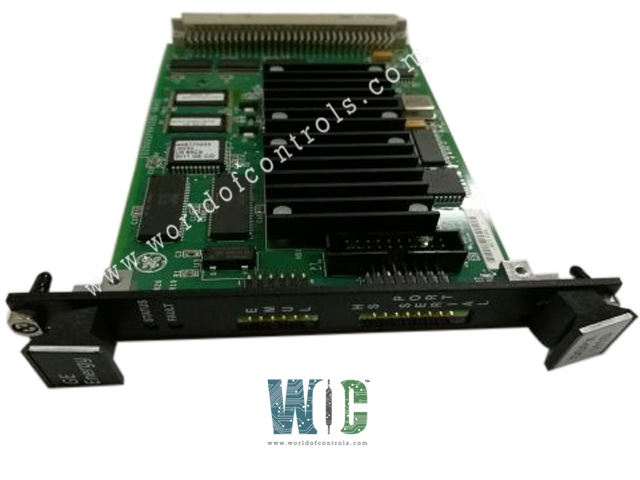
Modern turbine control systems depend on stable and uninterrupted power distribution to maintain safe and efficient industrial operations. In industries such as power generation, oil and gas, petrochemical processing, and manufacturing, turbines operate continuously under demanding conditions. Even minor power fluctuations within the control system can affect monitoring accuracy, communication reliability, and overall turbine performance.
One of the critical components responsible for maintaining consistent power delivery inside these systems is the Rack Power Supply Board. This board plays a major role in distributing regulated electrical power to multiple control modules and connected devices within the turbine control cabinet. Without reliable power management, industrial control systems may experience instability, unexpected shutdowns, communication failures, or reduced operational efficiency.
The Rack Power Supply Board is designed to support the continuous operation of turbine control systems by ensuring that connected modules receive stable voltage and reliable power flow. Its function goes beyond simple power delivery. It also contributes to system protection, operational stability, and long-term equipment reliability.
As turbine systems become increasingly advanced and automated, the importance of dependable power distribution continues to grow. Industrial facilities require control systems that can operate accurately under varying load conditions while minimizing downtime and protecting critical equipment. The Rack Power Supply Board helps achieve these goals by supporting stable electrical performance throughout the control infrastructure.
This article explains how the Rack Power Supply Board supports stable power distribution in turbine control systems, its major functions, benefits, industrial applications, and maintenance considerations.
Understanding Turbine Control Systems
Role of Turbine Control Systems in Industrial Operations
Turbine control systems are designed to manage, monitor, and regulate turbine operations in industrial environments. These systems control critical functions such as turbine speed, temperature, pressure, fuel management, vibration monitoring, and safety protection mechanisms. They ensure that turbines operate efficiently, safely, and within specified performance limits.
Components That Make Up a Turbine Control System
A modern turbine control system consists of several interconnected components, including processors, communication modules, input and output boards, monitoring devices, relays, and power supply units. All of these components rely on stable electrical power to function correctly. If power becomes unstable or interrupted, the entire control process can be affected.
Importance of Reliable Power During Continuous Operations
In industrial environments, turbines often operate continuously for extended periods. During operation, the control system must process real-time data, respond to changing operating conditions, and execute automatic adjustments with high accuracy. Reliable electrical power is essential for supporting these functions.
Common Power Challenges in Turbine Environments
One of the main challenges in turbine control environments is managing electrical disturbances. Industrial facilities may experience voltage fluctuations, transient surges, electrical noise, or varying load demands. These issues can impact sensitive electronic modules within the control system. A sudden voltage drop or irregular power supply may result in communication errors, inaccurate readings, or system shutdowns.
Importance of Stable Power Distribution
To reduce these risks, turbine control systems use dedicated power distribution components that regulate and distribute electrical power efficiently. The Rack Power Supply Board serves as one of the key elements in this process by maintaining consistent voltage delivery to critical system modules.
Need for Reliability and Redundancy
Another important aspect of turbine control systems is redundancy and reliability. Industrial operations cannot afford frequent downtime because production interruptions can result in significant operational and financial losses. Stable power distribution helps ensure continuous turbine operation and supports the reliability of the entire automation infrastructure.
Growing Demand for Advanced Power Management
As industrial automation technologies continue to evolve, turbine control systems are becoming more integrated and data-driven. This increases the demand for reliable power management solutions capable of supporting advanced monitoring and communication requirements. The Rack Power Supply Board plays an important role in meeting these operational demands.
What Is a Rack Power Supply Board?
Definition and Primary Function
A Rack Power Supply Board is an industrial electronic component designed to distribute regulated electrical power throughout a turbine control system. It is typically installed inside a control rack or cabinet where multiple control modules and system boards are mounted.
How the Board Distributes Electrical Power
The primary function of the board is to receive incoming electrical power and distribute it safely and consistently to connected modules. These modules may include processors, communication interfaces, monitoring boards, input/output modules, and other essential control components.
Importance of Voltage Regulation
The board helps maintain stable voltage levels across the system, ensuring that sensitive electronics receive the correct power required for reliable operation. In complex turbine control environments, maintaining proper voltage regulation is critical because many system components operate within strict electrical tolerances.
Electrical Protection Capabilities
The Rack Power Supply Board also contributes to electrical isolation and protection. It may include circuitry designed to help protect connected equipment from overloads, short circuits, and power disturbances. By supporting controlled power distribution, the board reduces the risk of component damage and improves overall system stability.
Integration Within Turbine Control Architecture
In many industrial control systems, the board functions as part of a larger power management architecture. It works together with power supplies, converters, and control modules to maintain operational continuity. The board is often designed to handle demanding industrial conditions such as temperature variations, vibration, and continuous operational loads.
Support for Modular System Design
Another important feature of the Rack Power Supply Board is its role in supporting modular control system design. Industrial turbine systems often contain multiple interchangeable boards mounted within racks. The power supply board helps ensure that each module receives reliable power while supporting organized and efficient system architecture.
Long-Term Reliability and Industrial Durability
Because turbine control systems are mission-critical, the Rack Power Supply Board is typically built using industrial-grade components that support long operational life and dependable performance. This helps industrial facilities maintain stable automation operations while reducing maintenance requirements and unexpected failures.
How the Rack Power Supply Board Supports Stable Power Distribution
The Rack Power Supply Board plays a direct role in maintaining stable electrical performance throughout turbine control systems. Its ability to regulate and distribute power consistently supports both system reliability and operational efficiency.
One of its most important functions is delivering stable voltage to connected control modules. Turbine control systems contain highly sensitive electronic devices that require precise voltage levels for accurate operation. Variations in voltage can interfere with communication signals, processor functions, and monitoring accuracy. The Rack Power Supply Board helps minimize these variations by managing power distribution carefully.
The board also supports balanced power flow across multiple system components. In large turbine control cabinets, numerous modules operate simultaneously and draw varying amounts of electrical power. Without proper distribution management, certain areas of the system could experience overload conditions or insufficient power delivery. The Rack Power Supply Board helps maintain balanced electrical distribution throughout the rack.
Another key contribution is supporting reliable communication between system components. Modern turbine control systems rely heavily on digital communication networks to exchange operational data in real time. Communication modules and processors require uninterrupted power to maintain stable network performance. By ensuring consistent electrical supply, the board helps prevent communication disruptions that could affect turbine operation.
The board also helps reduce the effects of electrical noise and disturbances commonly found in industrial environments. Heavy machinery, switching operations, and fluctuating loads can introduce electrical interference into control systems. Stable power management helps protect sensitive electronic modules from these disturbances and supports more reliable signal processing.
In addition, the Rack Power Supply Board contributes to system redundancy and fault tolerance. Some turbine control systems are designed with backup power configurations to maintain operation during certain fault conditions. The board may help support these configurations by managing controlled power distribution between primary and secondary circuits.
Thermal stability is another important factor. Electronic components generate heat during operation, especially in continuously running industrial systems. The Rack Power Supply Board is often designed to operate efficiently under high-load conditions while minimizing excessive heat buildup. Efficient thermal management contributes to longer component life and improved operational reliability.
By maintaining stable electrical conditions, the Rack Power Supply Board supports accurate monitoring, responsive control actions, and safe turbine operation. Its role in power distribution directly affects the performance and dependability of the entire control system.
Key Features of the Rack Power Supply Board
The Rack Power Supply Board includes several features that make it suitable for demanding industrial turbine applications.
One important feature is industrial-grade reliability. These boards are designed for continuous operation in harsh industrial environments where equipment may be exposed to vibration, temperature fluctuations, dust, and electrical interference. Durable construction helps ensure dependable long-term performance.
Another key feature is voltage regulation capability. The board helps maintain consistent voltage levels across connected modules, supporting accurate system operation and reducing the risk of electrical instability.
Protection mechanisms are also commonly integrated into the board design. These may include overload protection, short-circuit protection, and filtering circuits that help reduce the effects of transient electrical disturbances. Such features help protect both the board itself and connected control system components.
The board is also designed for compatibility with industrial turbine control architectures. It supports communication and integration with multiple modules installed within the control rack, contributing to organized and efficient system operation.
Efficient thermal performance is another advantage. Industrial control cabinets often operate continuously under high electrical loads. The Rack Power Supply Board is typically engineered to manage heat effectively, helping maintain stable operation even during extended runtime conditions.
Modular installation support is another useful feature. The board is designed to fit within rack-mounted control systems, allowing easier maintenance, replacement, and system expansion when needed.
These features collectively help improve the reliability, safety, and efficiency of turbine control systems operating in industrial environments.
Benefits in Turbine Control Applications
The Rack Power Supply Board provides several operational benefits that contribute to improved turbine system performance.
One major benefit is enhanced operational stability. By maintaining consistent electrical power distribution, the board supports reliable performance across all connected control modules. This helps prevent unexpected interruptions and system instability.
Reduced downtime is another significant advantage. Power-related failures can lead to shutdowns, production losses, and costly maintenance activities. Stable power distribution helps minimize the likelihood of such failures, improving overall equipment availability.
The board also supports improved monitoring accuracy. Turbine control systems depend on real-time data processing to manage operational conditions safely and efficiently. Stable electrical supply helps ensure that monitoring sensors and processing modules operate correctly.
Another benefit is increased equipment protection. Electrical disturbances such as surges, overloads, and voltage fluctuations can damage sensitive electronic components. The Rack Power Supply Board helps reduce exposure to these risks by supporting controlled power management.
Operational safety is also improved. Turbine systems operate under high temperatures, pressures, and mechanical loads. Reliable control system performance is essential for maintaining safe operating conditions. Stable power distribution supports the proper functioning of protection systems, alarms, and emergency shutdown mechanisms.
The board additionally contributes to long-term system reliability. Consistent electrical performance reduces stress on electronic components, helping extend the service life of critical control equipment.
Improved efficiency is another important advantage. When turbine control systems receive stable and regulated power, they can operate more accurately and respond more effectively to changing operational demands. This helps support optimized turbine performance and energy efficiency.
Common Industrial Applications
Rack Power Supply Boards are widely used across various industrial sectors where turbine control systems are essential.
In power generation facilities, the board supports gas and steam turbine operations by distributing reliable power to control modules and monitoring systems. Stable control system performance is critical for maintaining continuous electricity production.
In oil and gas facilities, turbine-driven compressors and generators rely on dependable control systems for safe and efficient operation. The Rack Power Supply Board helps support uninterrupted automation performance in these demanding environments.
Petrochemical plants also use turbine control systems extensively for process operations and energy management. Reliable power distribution helps maintain operational continuity and process safety.
Industrial manufacturing facilities that use turbine-based energy systems benefit from stable control system operation supported by the Rack Power Supply Board. Continuous manufacturing processes often depend on uninterrupted power generation and equipment control.
Marine and offshore applications may also utilize turbine control systems where reliable electrical distribution is essential due to harsh environmental conditions and continuous operational demands.
Because of its versatility and reliability, the Rack Power Supply Board remains an important component in a wide range of industrial automation and turbine control applications.
Maintenance and Troubleshooting Considerations
Proper maintenance is essential for ensuring the long-term reliability of the Rack Power Supply Board and the overall turbine control system.
Routine inspection is one of the most important maintenance practices. Technicians should regularly check the board for signs of wear, overheating, loose connections, corrosion, or physical damage. Early identification of potential issues helps prevent larger failures.
Monitoring voltage levels and power quality is also important. Abnormal voltage readings may indicate developing problems within the power distribution system. Regular testing helps ensure stable operating conditions.
Cooling and ventilation should also be maintained properly. Excessive heat can reduce the lifespan of electronic components and affect board performance. Ensuring adequate airflow inside control cabinets helps maintain safe operating temperatures.
Cleaning control cabinets and removing dust buildup is another important preventive measure. Industrial environments often expose equipment to contaminants that can interfere with electrical performance.
Troubleshooting procedures typically involve checking input and output voltage levels, inspecting connectors, verifying communication signals, and reviewing system alarms. In some cases, faulty modules connected to the power supply board may also affect system operation.
Using quality replacement components is essential during repairs or upgrades. Industrial facilities should source replacement boards from reliable suppliers that provide tested and compatible parts for turbine control systems.
Preventive maintenance programs help reduce unexpected downtime and support long-term operational reliability. Consistent inspection and testing practices allow industrial facilities to maintain stable turbine control performance while minimizing operational risks.
Choosing Reliable Replacement and Support Services
Selecting reliable replacement components and support services is critical for maintaining turbine control system performance.
Industrial facilities should work with experienced suppliers that specialize in turbine control system components. Reliable suppliers can provide tested and verified replacement boards that meet system compatibility requirements.
Product availability is another important factor. Fast access to replacement parts helps minimize downtime during maintenance or emergency repair situations.
Technical support and repair services also play an important role. Experienced support teams can assist with troubleshooting, installation guidance, and system diagnostics, helping facilities resolve issues more efficiently.
Quality assurance is essential when sourcing industrial electronic components. Facilities should prioritize suppliers that perform proper testing and inspection procedures before delivering replacement boards.
Long-term support capabilities are equally important. Industrial turbine systems often remain in operation for many years, requiring ongoing access to replacement components and technical expertise.
By choosing dependable support providers, industrial operations can improve maintenance efficiency, reduce operational risks, and extend the service life of critical turbine control infrastructure.
Conclusion
Stable power distribution is one of the most important requirements for reliable turbine control system operation. Industrial turbines depend on continuous monitoring, precise automation, and accurate communication between multiple control components. Any interruption or instability in electrical power can affect operational performance, safety, and equipment reliability.
The IS200RAPAG1B Rack Power Supply Board plays a critical role in supporting these systems by delivering regulated and stable electrical power throughout the control infrastructure. Its ability to manage voltage distribution, support communication reliability, reduce electrical disturbances, and protect sensitive modules makes it an essential component in turbine automation environments.
From power generation facilities to oil and gas operations, the Rack Power Supply Board contributes to improved operational stability, reduced downtime, enhanced safety, and long-term system reliability. Its industrial-grade design and dependable performance help ensure that turbine control systems continue operating efficiently under demanding conditions.
As industrial automation continues to advance, the importance of reliable power management will remain a key factor in maintaining efficient turbine operations. Proper maintenance, quality replacement components, and dependable technical support all contribute to maximizing the performance and lifespan of turbine control systems.
By supporting stable power distribution across critical control infrastructure, the Rack Power Supply Board remains an essential part of maintaining safe, reliable, and efficient industrial turbine operations.
Check Also – Programmatic Advertising Guide for Businesses