
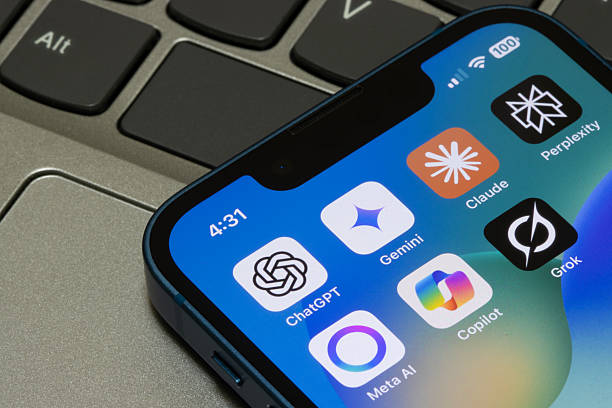
Artificial intelligence is no longer a futuristic concept—it has become deeply embedded in our everyday routines. From setting reminders to recommending what to watch or buy, AI-powered personal assistants are subtly guiding the decisions we make each day. These digital tools are evolving beyond simple task managers into intelligent systems that learn user behavior, predict needs, and offer personalized suggestions.
This quiet transformation is reshaping how individuals approach decisions, both big and small, often without them even realizing it.
The Evolution of AI Personal Assistants
AI assistants have come a long way from basic voice-command tools. Early versions were limited to executing simple instructions like setting alarms or answering basic queries. Today, they integrate advanced technologies such as machine learning, natural language processing, and predictive analytics.
Modern assistants can:
- Understand context and intent
- Learn from user habits over time
- Provide proactive recommendations
- Integrate across multiple devices and platforms
This evolution has turned them into decision-support systems rather than just digital helpers.
How AI Influences Daily Decisions
1. Personalized Recommendations
AI assistants analyze user preferences, search history, and behavior patterns to suggest relevant options. Whether it’s choosing a restaurant, selecting a product, or picking a movie, these recommendations significantly influence decisions.
2. Time Management Optimization
By organizing schedules, prioritizing tasks, and sending timely reminders, AI assistants help users make better decisions about how they allocate their time.
3. Smarter Purchasing Choices
AI tools compare prices, suggest alternatives, and highlight deals. This reduces decision fatigue and helps users make more informed buying decisions.
4. Health and Lifestyle Guidance
Many AI-powered apps now track physical activity, sleep patterns, and diet. They offer personalized advice, nudging users toward healthier lifestyle choices.
Key Benefits of AI-Driven Decision Support
| Benefit | Description |
|---|---|
| Increased Efficiency | Automates routine decisions, saving time and effort |
| Reduced Decision Fatigue | Filters options and presents the most relevant choices |
| Personalization | Tailors suggestions based on individual preferences and behavior |
| Improved Accuracy | Uses data analysis to provide more informed recommendations |
| Convenience | Accessible anytime through smartphones, smart speakers, and devices |
The Psychology Behind AI Influence
AI assistants leverage behavioral data to understand user habits and preferences. Over time, users begin to trust these systems, often relying on them for quick decisions. This trust creates a subtle shift where users delegate more decision-making authority to AI.
This phenomenon is driven by:
- Cognitive ease (less mental effort)
- Perceived accuracy of AI recommendations
- Habit formation through repeated use
Potential Challenges and Concerns
1. Over-Reliance on AI
As users depend more on AI, there is a risk of reduced critical thinking and independent decision-making.
2. Privacy Issues
AI assistants collect large amounts of personal data, raising concerns about data security and user privacy.
3. Algorithmic Bias
Recommendations are only as unbiased as the data they are trained on. This can lead to limited perspectives or skewed suggestions.
4. Lack of Transparency
Many AI systems operate as “black boxes,” making it difficult for users to understand how decisions or recommendations are generated.
Future Trends in AI Decision-Making
The future of AI-powered assistants is expected to be even more integrated and intuitive. Emerging trends include:
- Hyper-personalization: Assistants will anticipate needs before users express them
- Emotional AI: Systems will recognize emotions and adapt responses accordingly
- Cross-platform intelligence: Seamless integration across apps, devices, and services
- Autonomous decision-making: AI may handle more complex decisions with minimal human input
These advancements will further blur the line between assistance and autonomy.
Conclusion
AI-powered personal assistants are quietly transforming how decisions are made in everyday life. By offering personalized insights, reducing cognitive load, and improving efficiency, they are becoming indispensable tools in the digital age.
However, as their influence grows, it is essential for users to remain aware of their limitations and maintain a balance between automation and independent thinking. The goal should not be to replace human judgment, but to enhance it with intelligent support.