
Summary:
This comprehensive guide explores how 3d interior rendering services bridge the gap between creative concepts and reality for homeowners and professionals alike. Read on to discover how these digital tools streamline decision making, reduce project costs, and bring unparalleled clarity to every design phase.
The New Standard in Modern Interior Design
The world of interior design is moving faster than ever before. In the past, designers relied on hand drawn sketches and mood boards to explain a vision. While these methods have a classic charm, they often leave too much to the imagination. Clients frequently struggle to visualize how a flat drawing translates into a three dimensional living space. This uncertainty can lead to expensive mistakes and project delays.
Today, 3d interior rendering services have completely changed the landscape. These services use advanced software to create lifelike images of a room before a single piece of furniture is purchased. Whether you are a business owner or a real estate professional, these digital tools provide a level of detail that was once impossible. By using high-quality interior 3D rendering services, you can see exactly how light hits a velvet sofa or how a specific hardwood floor complements the kitchen cabinetry.
The transition from traditional methods to digital visualization is not just a trend. It is a necessary evolution in an industry that demands precision and speed. In the United States, where the real estate market is highly competitive, having a visual edge can make the difference between a quick sale and a stagnant listing. Many professionals now view these tools as the primary way to secure high value contracts and satisfy demanding customers.
Understanding 3D Interior Rendering Solutions
To appreciate the impact of this technology, we must first understand what 3D interior rendering solutions actually involve. At its core, rendering is the process of generating an image from a model through computer software. However, the modern application is much more sophisticated than a simple computer drawing.
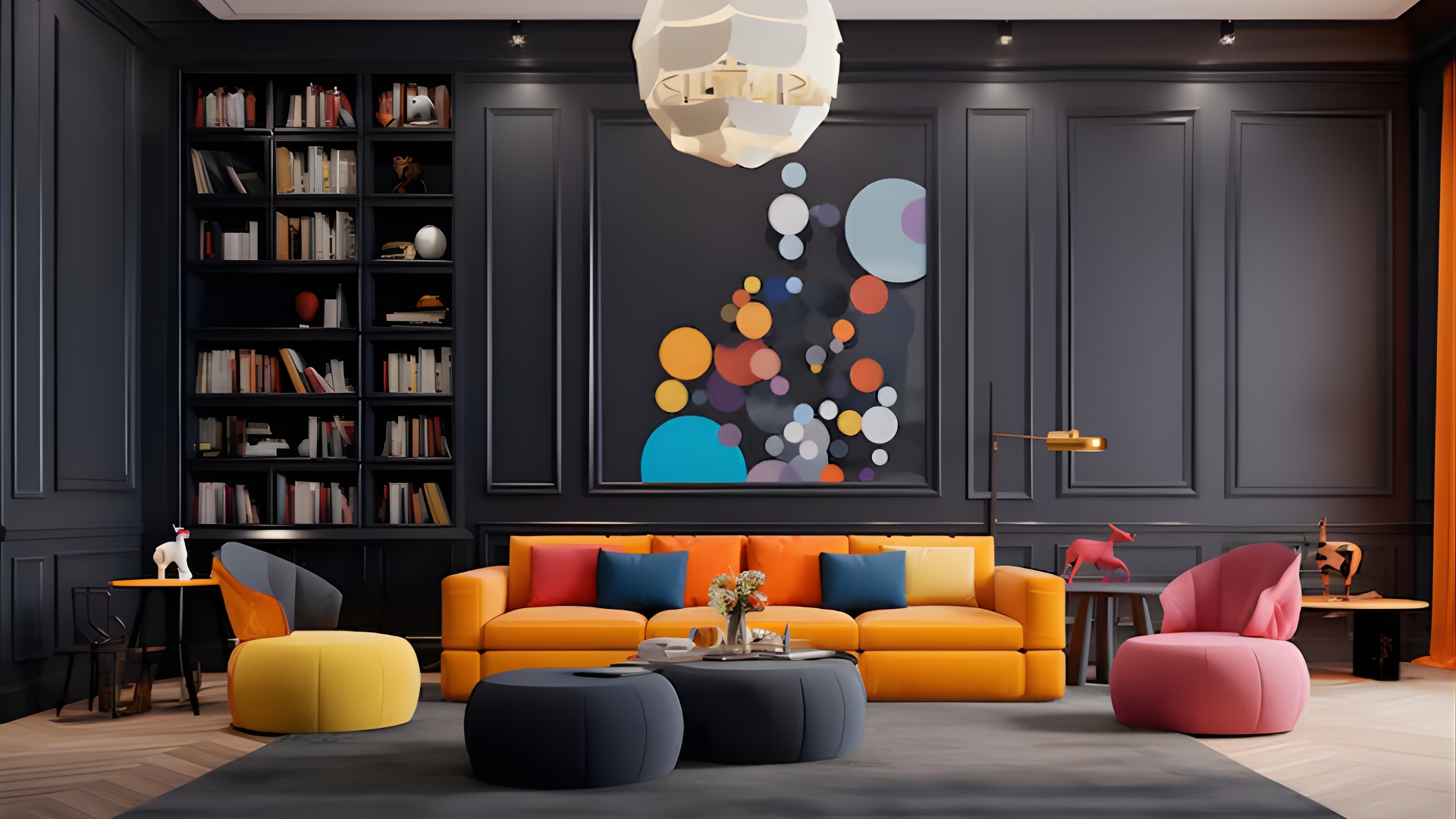
Professional artists build a digital model of a room based on architectural blueprints. They then add textures, colors, and lighting. The result is a photorealistic image that looks like a photograph of a finished room. These professional 3D interior visualization services take into account every minor detail, including the reflection in a mirror, the grain of a wooden table, and the soft glow of a bedside lamp.
There are several types of rendering styles available to suit different needs:
- Still Renderings: These are high resolution images from a specific angle. They are perfect for marketing materials and client presentations.
- 360 Degree Panoramas: These allow a viewer to stand in the center of a virtual room and look around in every direction.
- Virtual Tours: This involves connecting multiple 360 degree views so a user can walk through an entire home or office digitally.
- Animation Videos: These are cinematic flythroughs that showcase the flow and atmosphere of a space.
Bridging the Communication Gap
One of the greatest challenges in any design project is communication. A designer might describe a modern industrial kitchen, but the client might imagine something completely different. This mismatch in expectations is a primary cause of frustration in the industry.
When you invest in realistic 3D interior design rendering services, you eliminate the guesswork. The image serves as a universal language. Instead of trying to explain the subtle difference between eggshell and cream paint, the designer can show it. When a client sees the final render, they can give immediate feedback. They might decide the island is too large or the lighting is too dim. Making these changes in a digital file takes minutes, while making them on a construction site can take weeks and cost thousands of dollars.
This clarity builds immense trust. Clients feel more confident in their investments when they know exactly what the end result will look like. For interior designers, this means fewer revisions and a much smoother approval process. It creates a collaborative environment where everyone is on the same page from day one.
Why Real Estate Professionals Rely on Visualization
The real estate industry in the United States has embraced 3D architectural interior rendering services as a vital marketing tool. Selling a property that is still under construction or currently empty is a difficult task. Most buyers struggle to see the potential in a cold, concrete shell or a vacant room.
Virtual staging and high quality rendering allow realtors to showcase a lifestyle. By digitally furnishing a luxury penthouse or a cozy suburban home, they create an emotional connection with potential buyers. Research shows that staged homes sell faster and often for higher prices. With high-quality interior 3D rendering services, realtors can stage a home in multiple styles, such as mid century modern or contemporary, to appeal to different demographics without ever moving a single chair.
Furthermore, these visuals are essential for pre selling developments. Developers can start marketing a building months or even years before it is finished. High quality renders populate brochures, websites, and social media ads, generating leads and securing funding early in the project lifecycle. This approach reduces the financial risk associated with large scale construction projects.
Boosting Commercial Design and Business Branding
Business owners also benefit significantly from these advanced tools. Whether it is a new restaurant, a retail boutique, or a corporate office, the interior design reflects the brand identity. A 3D render allows a business owner to see how the brand colors work within the physical space.
For a restaurant owner, a render can help test the layout for optimal traffic flow. They can see if the booths feel too crowded or if the bar area is visible enough from the entrance. In a retail setting, rendering helps in planning product displays and lighting that highlights merchandise effectively.
In the corporate world, office design is linked to employee productivity and morale. 3D interior rendering solutions allow companies to experiment with open floor plans, breakout rooms, and ergonomic workstations. By visualizing the environment beforehand, businesses ensure that the space is functional and inspiring before they sign a lease or start a renovation. This foresight prevents the need for expensive structural changes later.
The Cost Efficiency of 3D Interior Rendering Services
A common misconception is that professional rendering is an unnecessary expense. In reality, it is a cost saving measure. The cost of a high quality render is a small fraction of the total construction budget. However, the savings it provides can be enormous.
Consider the cost of installing a custom backsplash only to realize it clashes with the countertops. The labor and materials to tear it out and replace it would be astronomical. With realistic 3D interior design rendering services, that clash would be identified during the design phase.
Digital prototyping allows designers to do the following:
- Compare different material options side by side.
- Test the impact of natural light at different times of the day.
- Ensure that furniture scales correctly within the room dimensions.
- Identify potential structural issues or layout flaws early.
By resolving these issues digitally, the actual construction process becomes much more efficient. Contractors receive a clear visual guide, which reduces the likelihood of errors on the job site. This precision saves time, money, and emotional stress for everyone involved.
Enhancing the Creative Process for Designers
For the interior designer, professional 3D interior visualization services are a playground for creativity. It allows them to push the boundaries of design without risk. They can experiment with bold color palettes, unique furniture shapes, and complex lighting schemes.
When a designer is not limited by physical samples or the fear of a client rejecting a bold idea, they can produce the best work possible. They can create multiple versions of a room to show the client different creative directions. This flexibility leads to more innovative and personalized spaces. It also allows the designer to build a stunning portfolio. Even if a project is never built, the high quality render remains a testament to skill and vision, helping to attract future clients.
The ability to swap out fabrics or wall treatments with a single click encourages exploration. Designers can refine their aesthetic and offer more value to their clients. This leads to a more professional reputation and a higher rate of word of mouth referrals in the competitive American market.
The Role of Lighting and Texture in High Quality Renders
What separates a basic 3D model from high-quality interior 3D rendering services is the attention to light and texture. Lighting is the most important element in interior design. It sets the mood, defines the space, and influences how we perceive color.
Advanced rendering software uses global illumination and ray tracing to simulate how light behaves in the real world. This includes how light bounces off surfaces, how it creates soft shadows, and how it filters through a sheer curtain. Seeing this in a render helps in planning the electrical layout and choosing the right light fixtures.
Texture is equally important. A 3D architectural interior rendering services provider will spend hours perfecting the look of materials. You should be able to feel the softness of a rug, the coldness of marble, and the grain of wood just by looking at the image. This level of realism is what makes a client say that they want to live there. It turns a simple drawing into a visceral experience that triggers a positive emotional response.
Sustainable Design and 3D Visualization
Sustainability is a growing concern for many people in the United States today. These rendering services contribute to greener building practices. By perfecting the design digitally, there is significantly less waste during the construction phase. Fewer materials are ordered in error and fewer mistakes lead to demolished work.
Additionally, designers can use renders to analyze natural light. By maximizing the use of sunlight, they can design spaces that require less artificial lighting and heating. This leads to more energy efficient buildings. Visualization also allows for the easy testing of sustainable materials, such as reclaimed wood or recycled metal, to see how they fit the aesthetic before they are sourced from suppliers.
By reducing the physical footprint of the design process, companies show a commitment to environmental responsibility. This is a powerful message for modern consumers who value green initiatives.
Future Trends in Interior Rendering
The technology behind 3D interior rendering solutions continues to evolve at a rapid pace. We are seeing a move toward even more immersive experiences. Augmented Reality and Virtual Reality are becoming more common in the industry. With a headset, a client can virtually walk through a future home, opening doors and even changing the color of the walls in real time.
Artificial Intelligence is also beginning to play a role. AI can help automate some of the more tedious parts of the rendering process, such as placing standard furniture items or optimizing lighting settings. This will likely make high quality rendering even more accessible and affordable for smaller projects.
Despite these technological leaps, the human element remains vital. An expert artist is still needed to compose the shot, choose the right textures, and ensure the mood aligns with the personality of the client. The tool is only as good as the professional using it. The future will likely see a blend of human intuition and powerful machine learning.
Choosing the Right Rendering Partner
If you are looking to utilize professional 3D interior visualization services, choosing the right partner is essential. Not all rendering companies are equal in terms of talent or technology. You should look for a service provider that has a strong portfolio in your specific niche, whether that is luxury residential or large scale commercial.
Key factors to consider include the following:
- Portfolio Quality: Do the images look like photos or like old video games? Look for realism and attention to detail.
- Turnaround Time: Design projects often have tight deadlines. Ensure the provider can meet the schedule.
- Communication: A good rendering artist should ask questions about materials, lighting, and the desired atmosphere.
- Software Expertise: Ensure they use industry standard tools such as 3ds Max, V-Ray, or Corona Renderer.
A great rendering partner acts as an extension of your design team. They help you sell your ideas and ensure your clients are thrilled with the results. They provide a level of polish that can elevate a standard project into a masterpiece.
Summary of Benefits for Stakeholders
The impact of these tools varies depending on who is using them, but the benefits are universal.
For Homeowners: It provides peace of mind. You can see your dream home before you spend your life savings on it. It removes the anxiety of making design choices that you might regret later.
For Interior Designers: It is a powerful sales and communication tool. It allows for more creativity and reduces the time spent on revisions. It makes the design process more enjoyable and less stressful.
For Real Estate Agents: It is a marketing powerhouse. It helps sell properties faster by showing potential and creating an emotional connection with buyers. It allows for better listing photos even when a house is empty.
For Developers: It helps in securing investment and pre selling units. It provides a clear vision for contractors to follow, which reduces costly on site errors and delays.
Conclusion
The integration of 3D interior rendering services has marked a turning point in the design and real estate industries. We are no longer limited by the boundaries of imagination or the static nature of 2D drawings. These digital tools provide a window into the future, allowing us to explore, refine, and perfect spaces before they even exist.
From saving costs and reducing waste to enhancing brand identity and boosting sales, the advantages are clear. As technology continues to advance, the line between the digital render and the physical reality will continue to blur. For anyone involved in an interior project in the United States, utilizing realistic 3D interior design rendering services is no longer a luxury. It is a strategic necessity for success in a modern market.
In this evolving landscape, 3D Rendering Services That Bring Interior Design Ideas to Life play a crucial role in turning creative concepts into visually accurate and compelling realities that clients can fully trust and understand.
If you want to bring your vision to life with precision and style, now is the time to embrace the power of 3D visualization. Transforming your project from a concept into a photorealistic masterpiece has never been easier or more effective.
Ready to see your design in stunning detail? Contact us today to request a free quote and discover how our 3D interior rendering services can elevate your next project to new heights.
FAQs
Q: What information do I need to provide for a 3D interior rendering?
You need to provide architectural floor plans, material lists, and furniture preferences to start the project.
Q: How long does it take to complete a 3D interior render?
A high quality still image typically takes between 3 to 7 business days depending on the project complexity.
Q: Can I make changes once the render is finished?
Yes, most services include revision rounds to adjust colors, textures, or furniture after the initial draft is ready.
Q: Is 3D rendering expensive for small residential projects?
No, it is very affordable and helps homeowners avoid costly design mistakes during the actual renovation process.
Q: What is the difference between 3D modeling and 3D rendering?
Modeling creates the digital skeleton of a room while rendering adds the light and textures for a final photo.