
Why Hampta Pass Trek Appeals to First-Time Trekkers
The Perfect Balance Between Challenge and Comfort
When you first start looking into Himalayan treks, it’s easy to get overwhelmed. Every trek claims to be “beginner-friendly,” but what does that even mean? Is it actually easy, or just slightly less brutal than the others? That confusion is exactly where Hampta Pass trek stands out. It doesn’t pretend to be effortless, and that’s honestly what makes it appealing.
What makes this trek special is its balance. You’re not thrown into extreme conditions from day one, but you’re also not just strolling through flat meadows. It sits in that middle zone where your body gets tested, but not punished. Think of it like your first proper workout after months—you feel the burn, but it’s the good kind that tells you you’re growing stronger.
The trail gradually introduces difficulty. You start with relatively easy terrain, giving your body time to adjust. By the time you hit the more demanding sections, you’re not the same person who started—you’re stronger, more aware, and mentally prepared. That progression is what makes it ideal for beginners.
Another underrated aspect is how rewarding every stage feels. You don’t have to wait until the final day for that sense of achievement. Each climb, each river crossing, each campsite adds a layer to your confidence. It’s like leveling up in a game—small wins keep you going.
So no, it’s not “easy” in the traditional sense. But it’s designed in a way that makes difficulty feel manageable, even enjoyable.
Accessibility and Location Advantages
One of the biggest reasons beginners gravitate toward Hampta Pass is something people don’t talk about enough—accessibility. Trekking can sometimes feel intimidating even before you begin, especially when the starting point itself is hard to reach. That’s not the case here.
The trek begins near Manali, which is already a well-connected and popular destination. Whether you’re coming from Delhi or another major city, getting there is relatively straightforward. This removes a huge layer of stress, especially if it’s your first time planning something like this.
And trust me, that matters more than you think. When you’re new to trekking, even small logistical challenges can feel overwhelming. Having an easy starting point allows you to focus your energy where it actually matters—on the trek itself.
There’s also the advantage of well-established trekking infrastructure. Because Hampta Pass is popular, you’ll find experienced guides, organized camps, and support systems in place. This doesn’t take away from the adventure—it just makes it safer and more structured.
Another subtle benefit is the availability of guided trek packages. Many beginners, including myself, prefer not to deal with route planning, food arrangements, or safety concerns. Having professionals handle these aspects allows you to fully immerse yourself in the experience.
In a way, Hampta Pass acts like a bridge. It takes you from being someone curious about trekking to someone who has actually done it—without throwing you into chaos.
My Initial Expectations vs Reality
What I Thought It Would Be Like
Before I started the trek, I had a very cinematic idea of what it would feel like. You know the kind—effortless walking, dramatic mountain views, maybe a bit of tiredness but nothing too intense. Social media doesn’t help either; everything looks peaceful and almost too perfect.
I assumed that since Hampta Pass is labeled as beginner-friendly, it would be relatively easy. I thought the biggest challenge would be waking up early or dealing with the cold. In my mind, the physical effort was secondary.
I also underestimated how different trekking is from regular exercise. I had done some walking and occasional workouts, so I figured that would be enough. What I didn’t realize was how continuous movement over multiple days changes the equation completely.
There was also this quiet assumption that I’d always feel motivated. That the excitement of being in the mountains would automatically override any discomfort. That’s not exactly how it works.
The truth is, expectations like these aren’t wrong—they’re just incomplete. They show you one side of the experience, but not the full picture.
What Actually Happened on Day One
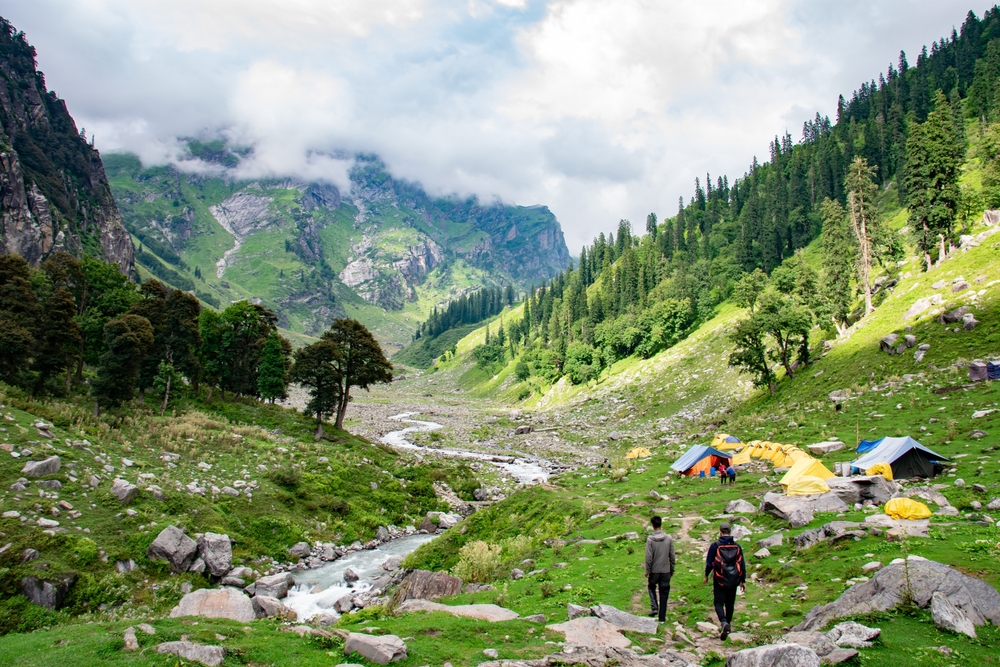
Day one was interesting because it both confirmed and challenged my expectations at the same time. The trail from Jobra to Chika was relatively gentle, just like I had imagined. There were lush green landscapes, a calm river flowing alongside, and a sense of excitement in the air.
At first, it felt almost too easy. I remember thinking, “Okay, I’ve got this.” That initial confidence is common among beginners, and it’s not entirely a bad thing. It helps you settle in and enjoy the moment.
But even on the first day, subtle challenges started appearing. Walking for hours, even on an easy trail, begins to take a toll. Your shoulders feel the weight of your backpack, your legs start noticing the effort, and you realize this isn’t just a casual stroll.
The biggest shift was mental. I started understanding that trekking isn’t about bursts of energy—it’s about consistency. You’re not trying to finish quickly; you’re trying to keep going steadily.
By the end of the day, I wasn’t exhausted, but I was aware. Aware that this trek would demand more than I had initially assumed. And strangely, that realization didn’t scare me—it made the experience feel more real.
Breaking Down the Trek Difficulty
Understanding Terrain Variations
One of the most underestimated aspects of the Hampta Pass trek is how dramatically the terrain changes from one section to another. When people hear “beginner-friendly,” they often imagine consistent, predictable paths. That’s not what you get here. Instead, the trail feels like a constantly shifting puzzle—just when you get comfortable with one type of surface, it changes.
You begin with soft forest trails, surrounded by tall pine trees and the soothing sound of rivers flowing nearby. These sections are almost meditative. Your feet land easily, your rhythm builds naturally, and you start believing this trek might actually be easier than expected. But then, almost without warning, the terrain shifts into rocky patches where every step requires attention.
Walking on uneven rocks is a completely different experience. It slows you down, forces you to stay focused, and engages muscles you didn’t even know you were using. It’s not necessarily exhausting, but it demands awareness. One careless step can throw off your balance, so you learn to move more deliberately.
Then come the river crossings. These were both exciting and slightly intimidating for me. The water is icy cold, and depending on the season, the flow can be strong. It’s not just about getting across—it’s about staying steady while doing it. That moment when your boots touch freezing water wakes you up instantly.
And just when you think you’ve seen it all, you encounter snow (if you’re trekking in early summer). Walking on snow is a different game altogether. It’s slippery, energy-draining, and mentally challenging because you’re constantly adjusting your footing.
This variety is what makes Hampta Pass so unique. It keeps things interesting, but it also means you can’t go on autopilot. Every section teaches you something new, and by the end of it, you’re not just physically stronger—you’re more adaptable.
The Role of Altitude and Endurance
If terrain challenges your body, altitude challenges your breathing and endurance. And the tricky part? It doesn’t hit you all at once. It creeps in slowly, almost quietly, until you start noticing small changes.
During the initial days, altitude doesn’t feel like a big deal. You might experience slight breathlessness during climbs, but nothing alarming. It’s easy to ignore. But as you ascend higher, your body starts reacting differently. You find yourself pausing more often—not because your legs are tired, but because your lungs need a moment to catch up.
I remember one particular stretch where I had to stop every few minutes. Not out of exhaustion, but because breathing felt heavier than usual. That was my first real encounter with altitude. It wasn’t scary, but it was humbling.
Endurance plays a huge role here. This trek isn’t about how fast or strong you are in short bursts. It’s about how well you can maintain a steady pace over several hours, day after day. It’s like running a marathon instead of a sprint.
What helped me was learning to listen to my body. Instead of pushing through discomfort aggressively, I started pacing myself better. Slower steps, deeper breaths, and regular breaks made a massive difference.
Another thing I realized is that mental endurance matters just as much as physical stamina. There were moments when my body could continue, but my mind started questioning things. That’s when you understand trekking is as much a mental game as it is a physical one.
By the time I reached higher altitudes, I wasn’t the same person who started the trek. I had adapted—not perfectly, but enough to keep going confidently.
A Day-by-Day Experience on the Trail
Day 1–2: The Gentle Introduction
The first two days of the Hampta Pass trek are like a soft handshake—they welcome you in without overwhelming you. Starting from Jobra and moving toward Chika, the trail feels almost forgiving. The path is relatively gradual, surrounded by greenery, with the river flowing alongside like a constant companion.
These days are crucial, even though they might seem easy. They’re not just about covering distance; they’re about acclimatization and rhythm-building. Your body is slowly adjusting to the altitude, your legs are getting used to continuous walking, and your mind is learning how to stay present on the trail.
On the second day, as you move toward Balu Ka Ghera, things start becoming slightly more demanding. The greenery begins to fade, and the landscape opens up into wider valleys. The trail gets rockier, and the climbs become more noticeable.
I remember feeling a subtle shift here. It wasn’t difficult enough to discourage me, but it was enough to make me take things more seriously. I stopped rushing and started focusing on maintaining a consistent pace.
These early days also build your confidence. You start believing that you can actually complete the trek. And that belief becomes incredibly important when the trail starts testing you later.
Day 3: When Things Get Real
Day three is where the trek stops feeling like an introduction and starts feeling like a real challenge. The route becomes steeper, the terrain rougher, and the air thinner. This is the day when you truly understand what you signed up for.
The climb toward the pass begins to show its intensity. It’s not just about walking anymore—it’s about pushing through discomfort. Your breathing becomes heavier, your steps slower, and your focus sharper.
This was the day I had my first real moment of doubt. Not because I couldn’t continue, but because I realized how demanding the next day would be. It’s like standing at the base of a mountain and finally acknowledging its size.
But interestingly, this is also the day where growth happens the most. Every step feels earned. Every small progress feels like an achievement. You start relying less on excitement and more on determination.
There’s also something powerful about the environment here. The landscape becomes more raw and untouched. It’s less about beauty and more about scale and silence. That shift changes your mindset—you start respecting the mountains instead of just admiring them.
Day 4: Crossing Hampta Pass
This is the defining day of the trek—the one everything builds toward. Crossing Hampta Pass is not just physically demanding; it’s mentally intense as well.
The ascent is steep, and depending on the season, you might be walking on snow. Each step requires effort, and progress feels slow. I had to break the climb into smaller goals—just reaching the next point, then the next. Looking at the top constantly can be overwhelming.
There was a moment when I stopped and looked back at how far I had come. That perspective shift helped more than anything. Instead of focusing on how much was left, I started appreciating how much I had already achieved.
Reaching the pass itself was surprisingly quiet. No dramatic reactions, no loud celebrations—just a deep sense of satisfaction. It felt real, earned, and personal.
The descent, however, is a different challenge. Loose rocks and steep paths demand focus. By this point, though, your confidence has grown. You trust your footing more, and that makes a big difference.
Crossing Hampta Pass isn’t just about reaching a point on a map. It’s about realizing your own capability.
Is Hampta Pass Trek Safe for Beginners?
Risks You Should Be Aware Of
Safety is one of the biggest concerns for anyone attempting their first trek, and it should be. The Hampta Pass trek, while beginner-friendly, still takes place in a high-altitude Himalayan environment. That automatically comes with certain risks you shouldn’t ignore.
One of the primary concerns is altitude sickness. Even though the trek allows gradual acclimatization, everyone’s body reacts differently. Symptoms like headaches, nausea, or dizziness can appear if your body struggles to adjust. I personally didn’t face severe issues, but I could feel mild breathlessness and occasional fatigue at higher points.
Weather unpredictability is another factor. Conditions can shift rapidly—from clear skies to rain or strong winds within hours. If you’re not properly equipped, this can turn a manageable situation into an uncomfortable one.
Then there are terrain-related risks. Slippery rocks, steep descents, and river crossings require attention. One careless step can lead to minor injuries like sprains. It’s not extremely dangerous, but it demands awareness.
What’s important is understanding that these risks are manageable with the right approach. Preparation, pacing, and awareness go a long way in keeping you safe.
How Guided Treks Make It Easier
As a beginner, choosing a guided trek can significantly improve both safety and overall experience. This was one of the best decisions I made.
Guides are not just there to show the way—they understand the terrain, monitor your pace, and recognize early signs of trouble. If someone in the group feels unwell, they know how to respond quickly. That kind of support is invaluable when you’re in an unfamiliar environment.
Another advantage is logistical ease. You don’t have to worry about setting up camps, cooking food, or navigating routes. All of that is handled for you, allowing you to focus entirely on the trek.
I opted for a hampta pass trek package, and it made a noticeable difference. Everything felt organized without being restrictive. It didn’t take away the adventure—it simply removed unnecessary stress.
For experienced trekkers, going solo might be appealing. But for beginners, having a structured system in place makes the journey smoother and safer.
Common Beginner Mistakes (Including Mine)
Overpacking and Poor Pacing
One of the most common mistakes beginners make—and I was no exception—is overpacking. Before the trek, it’s tempting to prepare for every possible scenario. Extra clothes, backup items, things you “might” need—it all feels justified at the time.
But once you start walking, every extra kilogram becomes noticeable. What seemed like a small addition turns into a constant burden. By the second day, I realized I had packed more than necessary.
The other mistake was pacing. On the first day, I walked faster than needed because I felt energetic. It gave me a false sense of confidence. But that extra effort caught up with me later.
Trekking is not about speed—it’s about energy management. A steady, consistent pace is far more effective than bursts of enthusiasm followed by exhaustion.
If I could redo the trek, I’d pack lighter and walk slower from the beginning.
Ignoring Hydration and Nutrition
Another mistake that seems small but has a big impact is not drinking enough water. At higher altitudes, your body dehydrates faster, even if you don’t feel thirsty. I didn’t pay enough attention to this initially, and it affected my energy levels.
The same goes for nutrition. Trekking burns more calories than you realize, and skipping meals or eating too little can leave you feeling drained.
Once I started being more mindful—drinking water regularly, eating properly—I noticed a clear difference. My energy levels improved, and I felt more stable throughout the day.
These aren’t complicated fixes, but they make the experience significantly smoother.
Final Verdict – Is It Easy or Difficult?
So, is the Hampta Pass trek easy for beginners?
Not really. But it’s not supposed to be.
It’s challenging in a way that feels achievable. It pushes you just enough to help you grow, without making you feel defeated. And that’s exactly what makes it special.
If you go in expecting comfort, you might struggle. But if you go in ready to experience something real—with all its ups and downs—you’ll come out stronger, more confident, and deeply satisfied.
Hampta Pass isn’t just a trek. It’s an introduction to what you’re capable of.