
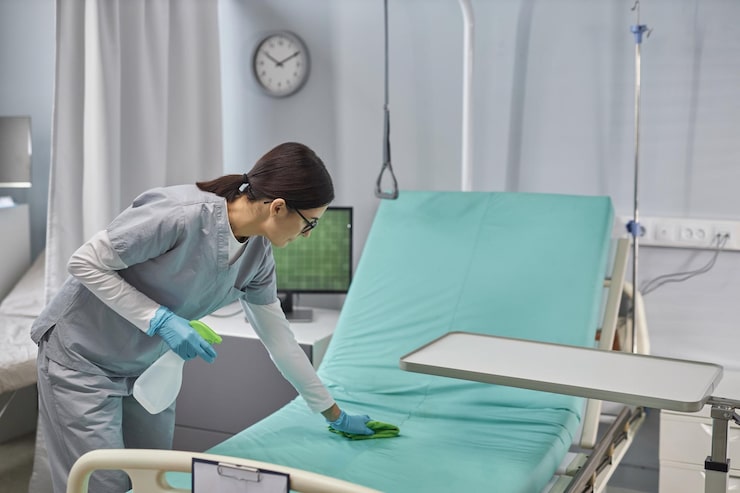
Did you notice patients recovered earlier in a clean environment? Do your hospitals have proper hygiene systems? By following hygiene protocols and cleanliness rules, you can prevent your body from external attacks of germs.
In this blog, we will discuss how a clean environment reduces serious health risks and promotes a safe, healing environment.
Hospital hygiene means we are considering infection control protocols. Awareness campaigns and encouraging rewards must be arranged to ensure patient safety.
Therefore, we need to implement hygiene protocols in our hospitals to prevent the spread of infections, ensure a safe recovery, and protect both patients and medical staff.
For example, consulting with a psychologist in Multan provides complete guidance on stress management and our mental well-being. They provide us with a clean and safe environment for therapy sessions.
Let’s have a detailed view of how hospital hygiene impacts patients’ safety.
Preventing Infections through Hygiene
Hospitals are the top-most places for spreading infections. If you are sick or injured, your immune system becomes more susceptible to infection. That is why maintenance of hygiene is extremely important.
In the absence of good hygiene standards in hospitals, infectious bacteria and viruses can find it so simple to transfer. Cleaning surfaces isn’t the only solution; we need a proper management system.
Disinfecting medical instruments, such as the sterilization of surgical instruments, and frequently washing hands before and after procedures can contribute to preventing infections caused by microorganisms.
Hospital-acquired infections (HAIs) are the worst situations that can be fatal and prolonged due to continuous contact during treatment. By following appropriate hygiene practices, we can reduce the spread of those infections.
Hygiene’s Role in Supporting Patient Recovery
A hospital environment plays an important role in the healing process. The effect of cleaning the environment on the well-being and safety of the affected person is temporary.
For example, if patients are in a sterile, well-maintained room, there is less fear of getting secondary infections. They recover faster by following the prescription of healthcare providers.
An environment that is clean also encourages a feeling of well-being for the patient and positive mental health to accompany their physical recovery. It helps recover faster as stress and anxiety delay the healing process.
Creating a Safe Environment for Patients and Staff
Hospitals are the places where patients need hygiene as well as healthcare workers. Both are at risk of contact with pathogenic agents if hygiene standards are not followed properly.
We expect that cleanliness prevails as much in patient rooms and corridors as well as within operating theaters, at least in restrooms. Avoid touching thighs in these areas.
We have to contend with clean and hygienic practices as well as waste disposal protocols in all hospitals. It provides a safe environment for every person who works or visits these places.
Why Hygiene Standards Must Be Strictly Enforced
We cannot ignore the ratio of spreading infection and germs due to poor hygienic practices. We have to understand the importance of maintaining strict hygiene standards in our healthcare facilities.
Every last bit of a healing facility should be disinfected, from the instruments utilized during medical procedures to the materials found in a patient’s room.
Hospitals ensure that all staff members effectively follow the protocols. They start many awareness programs and encourage people to tell the benefits of hygiene.
For example, stress and anxiety are very common in patient behavior; these play a big role in spreading infection. Because any virus attacks easily when the immune system is weak.
When we feel we are in a safe place, it increases our confidence level and supports healthy recovery. A clean and comfortable environment can reduce stress and anxiety.
Hygiene in Hospitals: A Global Perspective
Hygiene is not a problem in our area, but it is a problem for miles around the world. If we are to win this case, it will be an awareness of special hygiene protocols and a safe environment for patients and healthcare providers.
A hospital in Pakistan can overcome this issue by integrating the latest waste management system and implementing cleanliness policies to provide a safe and clean environment for patients.
This way, they can handle a huge number of patients with a very small chance of any diseases being spread. They properly allocate resources and treat patients in higher levels of care, with help to reduce the burden on our healthcare system.
Moreover, by adopting healthy practices, we not only prevent hygiene problems but also provide a safe and secure environment for patients.
Final Thoughts
One of the important processes to provide a secure environment for our payments is hospital hygiene, as we need to make sure all patients are safe. Because clean and safe surroundings prevent infections and support the healing process.
It is the responsibility of hospitals to maintain hygiene standards and provide a safe environment. For which we must start hygiene protocols initiatives.
A medical facility, this hygiene can provide higher comprehensive care to its clients and plays a vital role in fitness and protection of the community as well.
Also Read: Gut Health Myths That Are Still Misleading People in the Age of Wellness Trends